
DHL
Building a reference model for warehouse management, training in incident investigation, proactive tools and campaigns aligned with the global strategy.
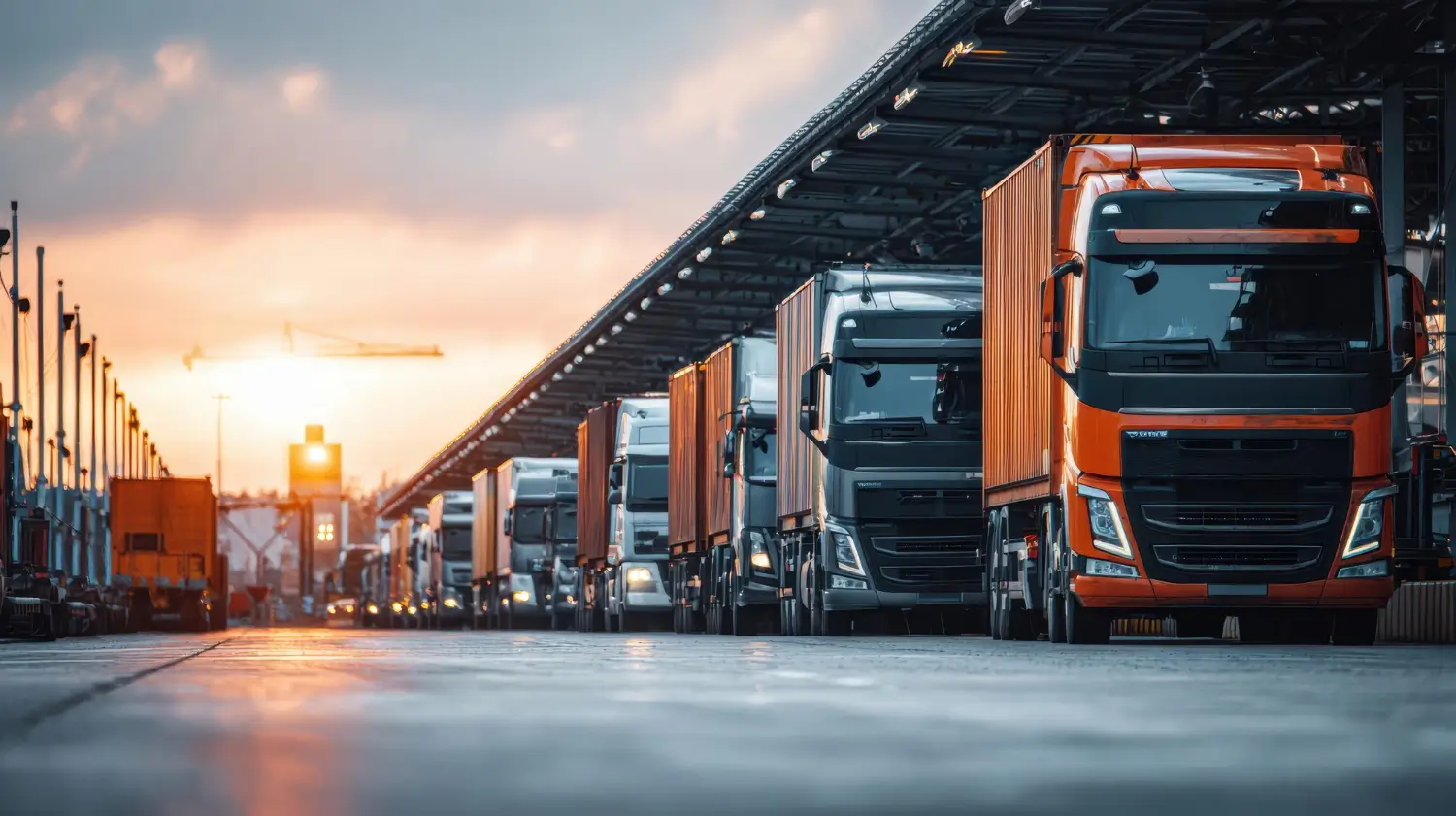
Leadership and safety culture in warehousing, cargo handling and transportation, taking into account the decisions that connect each stage of the operation.
Receiving, storage, picking and shipping form a sequence that depends on coordination between people. Transportation connects these stages to other sites and companies. Deadlines and volumes vary, as does the makeup of teams across shifts.
At handoffs, information about working conditions needs to travel with the activity. It is important to understand how a change is communicated, how teams discuss risks and who responds to difficulties that come up during execution.
Leadership presence helps make this routine known. How supervision guides the work and how management responds to reports make it possible to assess whether safety practices are understood and sustained at different points in the network.
The assessment considers the differences between distribution centers, warehouses, terminals and transportation activities. Listening to teams and observing routines can reveal issues that call for decisions shared between areas.
Planning organizes priorities for training, responsibilities and follow-up. By developing leaders and examining how the tools are used, the work helps carry lessons from one operation to others, with the adjustments each context requires.
Learn about our approach →Building a reference model for warehouse management, training in incident investigation, proactive tools and campaigns aligned with the global strategy.
Understand management practices and what teams experience across different activities.
Define priorities, responsibilities and ways to monitor the work.
Understand the conditions and decisions involved to guide organizational learning.
Examine how critical exposures are understood and how controls are monitored.
Support the rollout of practices and follow up on the difficulties teams encounter.
Develop leadership through experiences tied to the work context.
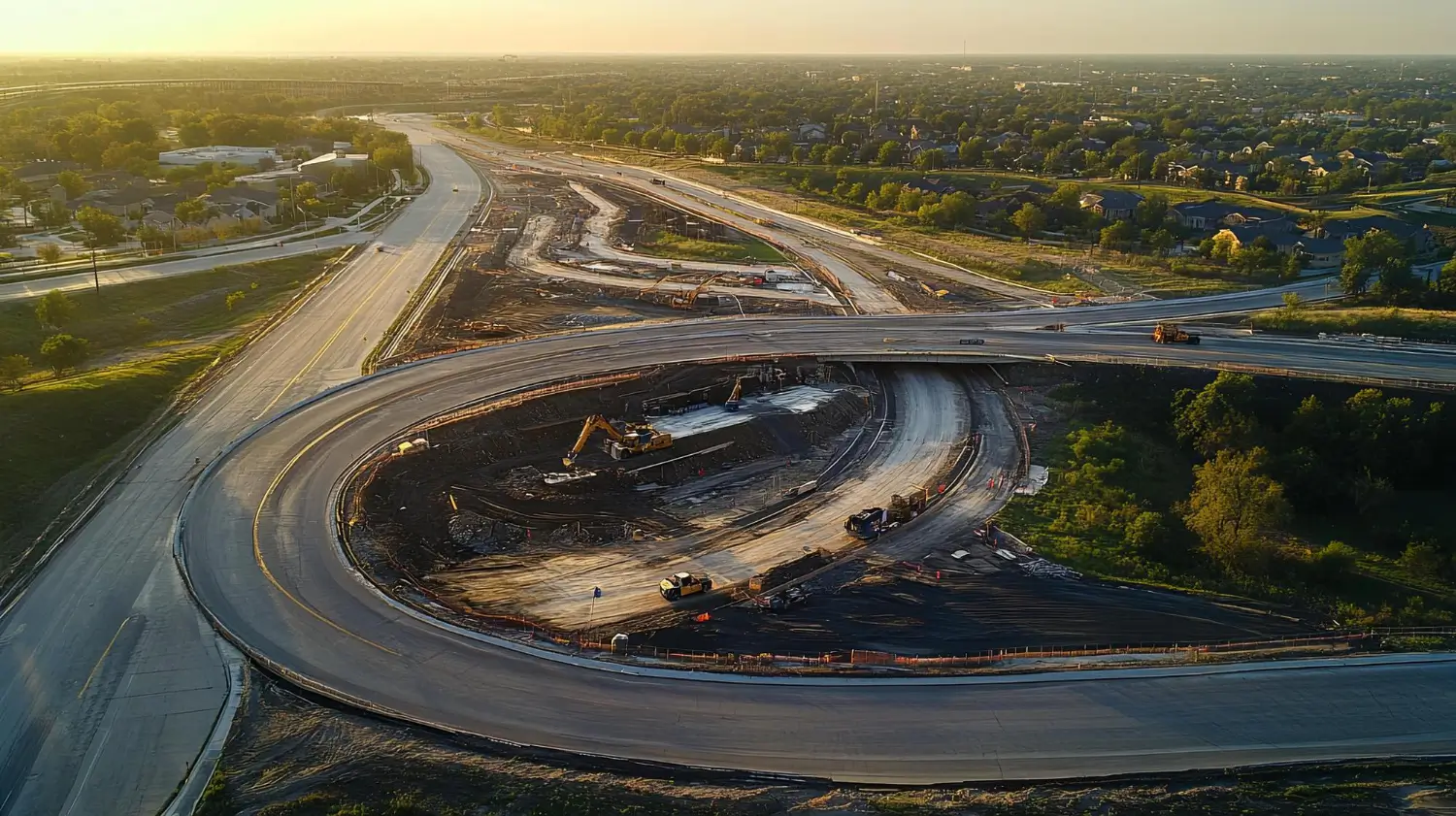
Safety culture in infrastructure with EHS Brasil, in building, operating and maintaining large assets with concession operators and contractors.
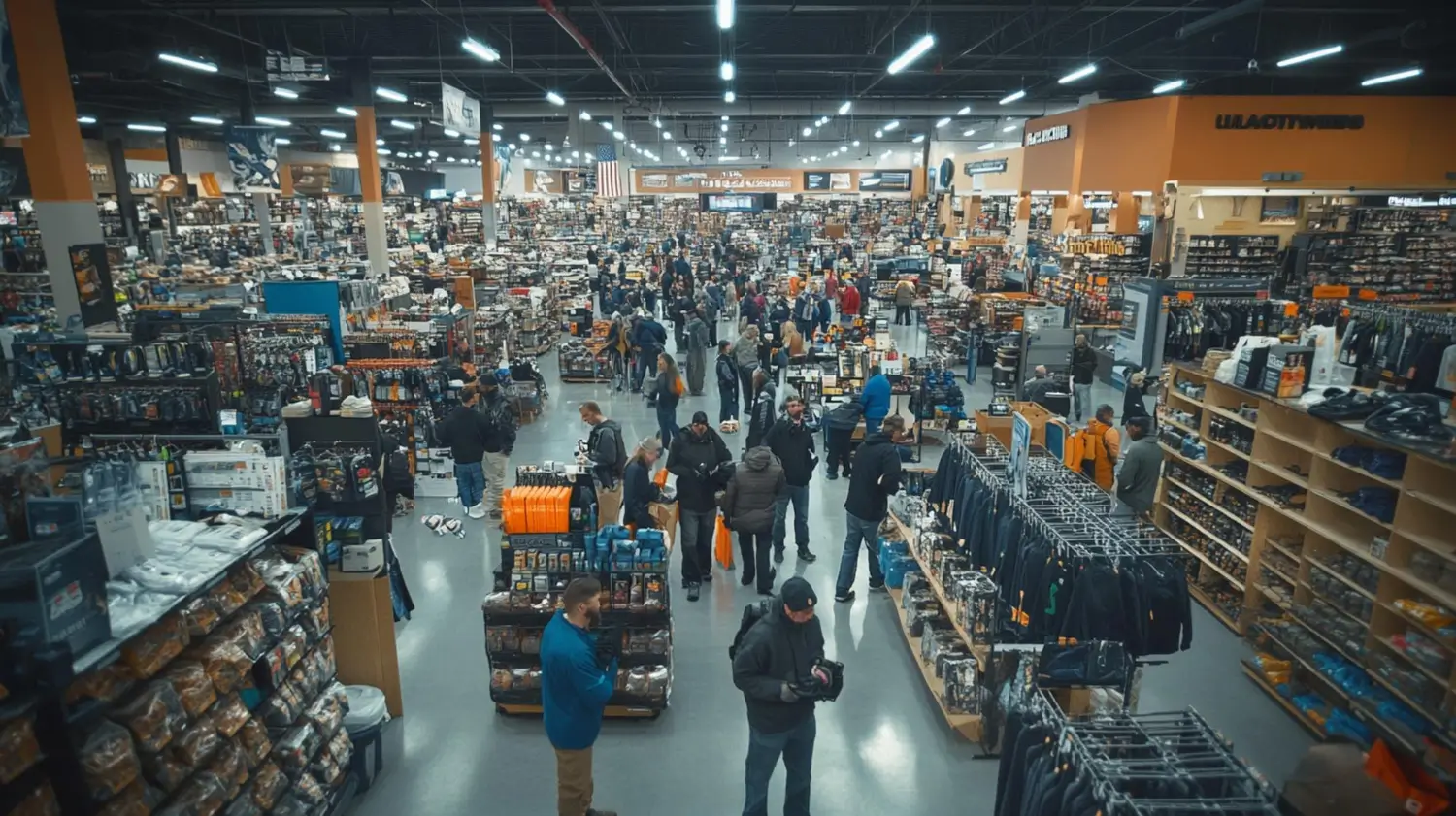
Safety culture in stores and in the operations that supply them, with attention to the role of local managers, supervisors and teams on different shifts.