
ANDRITZ
BBS rollout in Chile, Uruguay and Brazil. The work starts with leadership competencies and governance, before the tools are adopted.
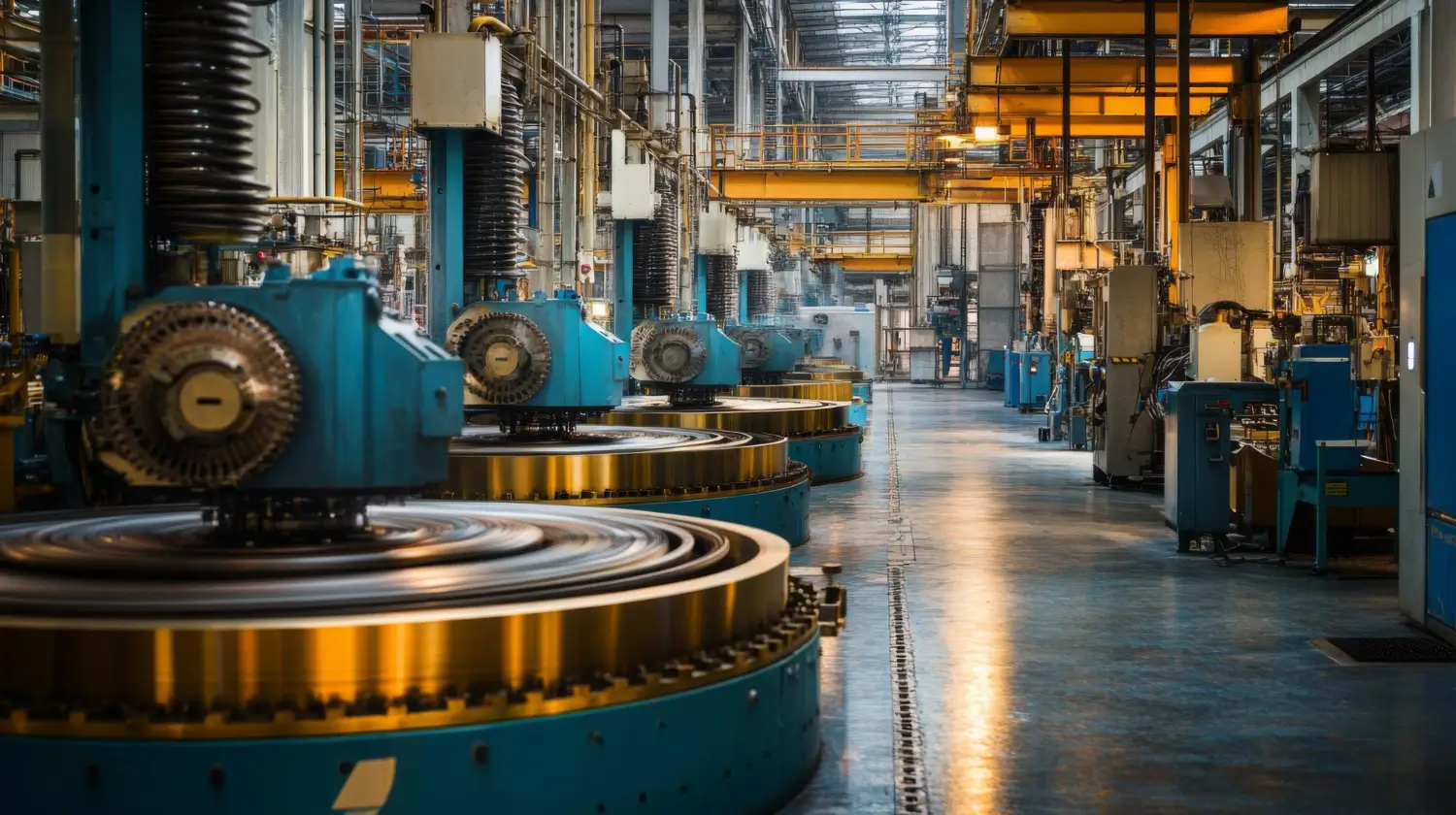
Developing leadership and safety practices in the manufacture of machinery, equipment and components, taking into account the work done at each site.
Industrial manufacturing may combine series production, made-to-order fabrication and assembly activities. The degree of automation, the size of the parts and the role of the teams vary. A culture transformation proposal needs to recognize these differences before choosing tools.
The context also changes within the plant. Production, equipment setup, material handling and maintenance each call for their own decisions. What looks like simple guidance can be interpreted differently by those who plan and those who execute.
Understanding the culture means examining how the organization talks about these situations. Leadership presence, the response to reports and the clarity of decision criteria help identify what needs to be developed.
Work with leaders can start with understanding their role in safety and defining management responsibilities. Observing practices and listening to teams guide the choice of priorities.
Tools are developed and followed up with the site’s context in mind. This process makes it possible to discuss real difficulties in applying them and revise whatever is needed, instead of treating the rollout as complete just because training took place.
Learn about our approach →BBS rollout in Chile, Uruguay and Brazil. The work starts with leadership competencies and governance, before the tools are adopted.
Understand management practices and what teams experience across different activities.
Understand the conditions and decisions involved to guide organizational learning.
Develop leadership through experiences tied to the work context.
Examine how critical exposures are understood and how controls are monitored.
Define priorities, responsibilities and ways to monitor the work.
Support the rollout of practices and follow up on the difficulties teams encounter.
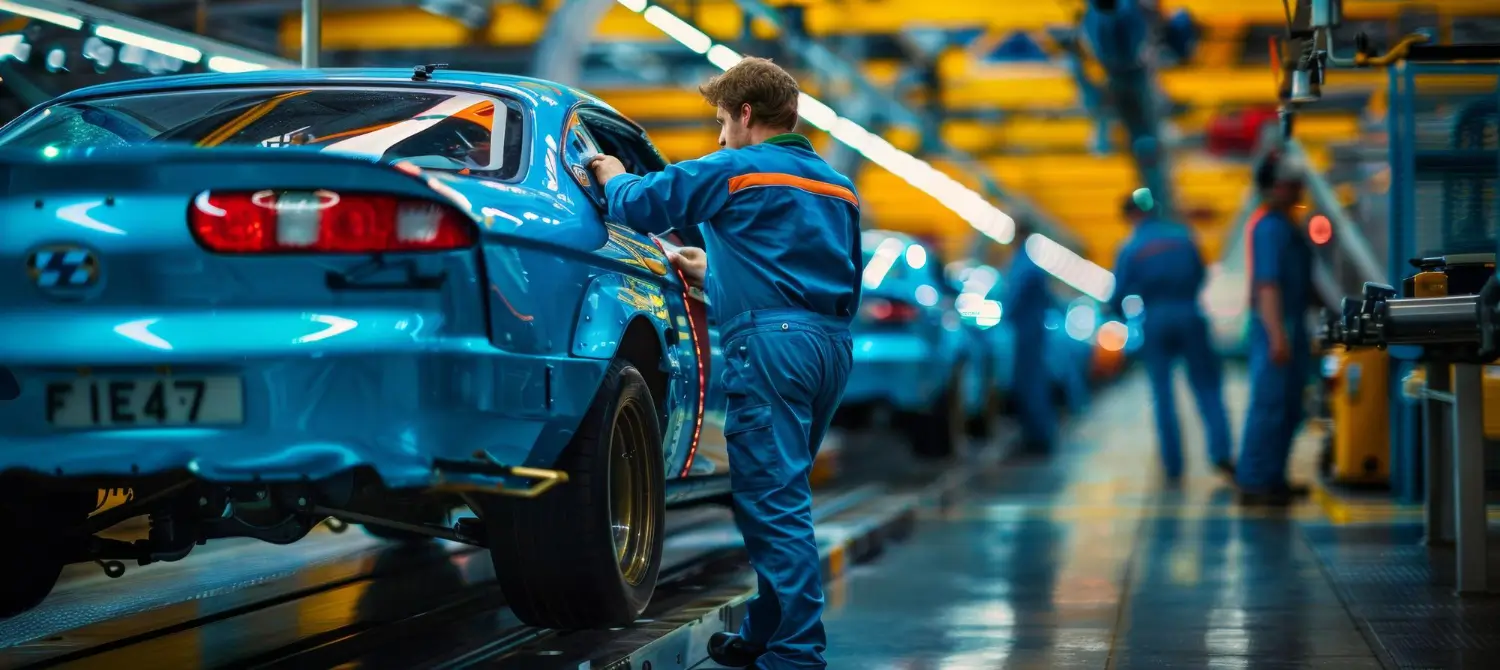
Safety culture in vehicle and component plants, taking into account production pace, process changes and the relationship between people and equipment.
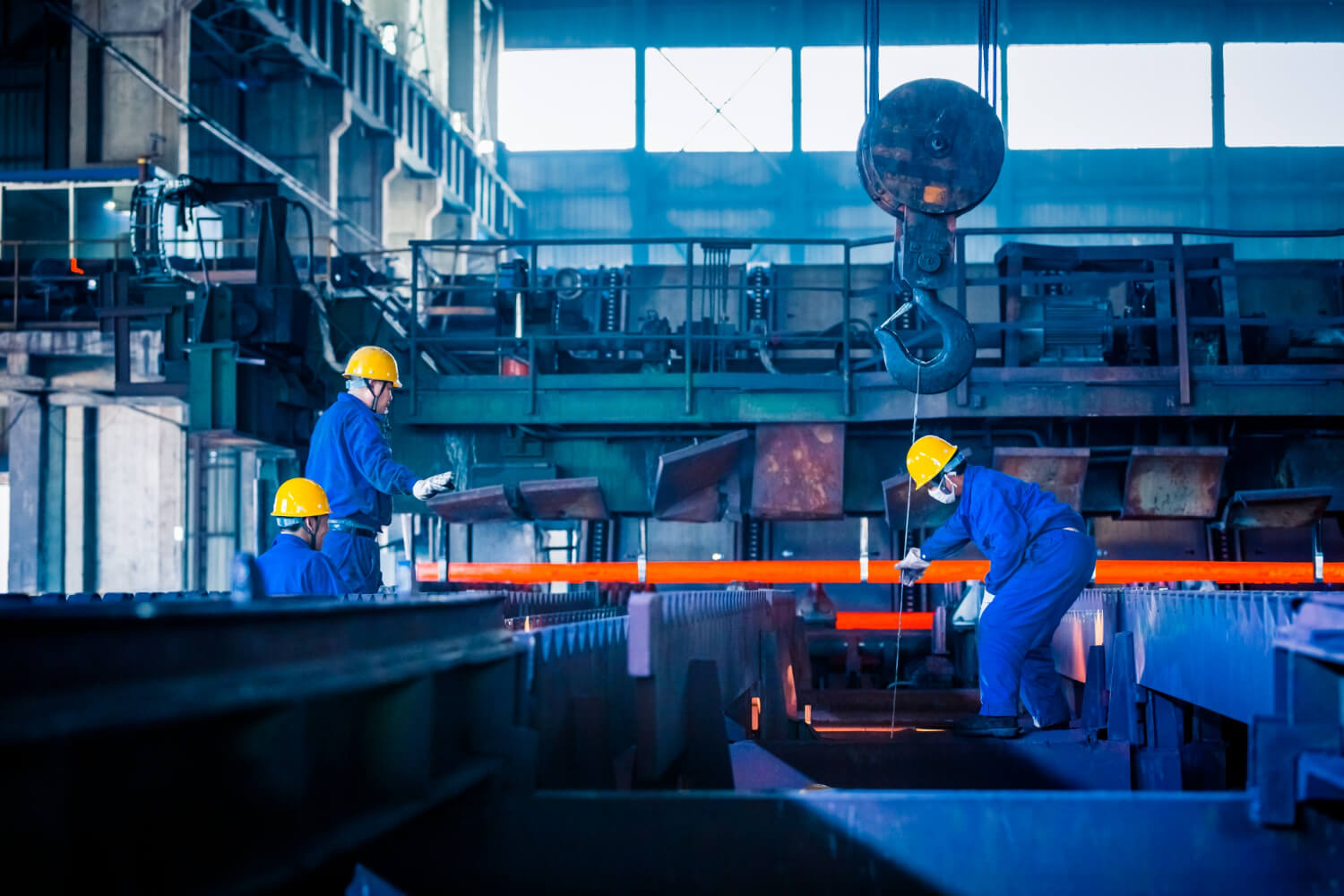
Safety culture in metal processing operations, from material preparation to decisions about production, maintenance and interventions.